
Moral Philosophy
Moral Philosophy is a robust exploration of the unity of truth and God’s decrees.
A comprehensive, four-year course of study in the humanities, Moral Philosophy surveys the historic progression of ideas in the great sacred and secular works across disciplines—from Plato’s Republic to Boethius. The study is framed within the context of revealed truth and the practices of the Christian faith.
Moral Philosophy is at the heart of the curriculum because it embodies a key aspect of New College Franklin’s philosophy of knowledge—that knowledge is cumulative and poetic. We study all things for the sake of knowing God, and all things gain meaning and purpose within God’s sovereign plan overall.
Moral Philosophy I: Foundations
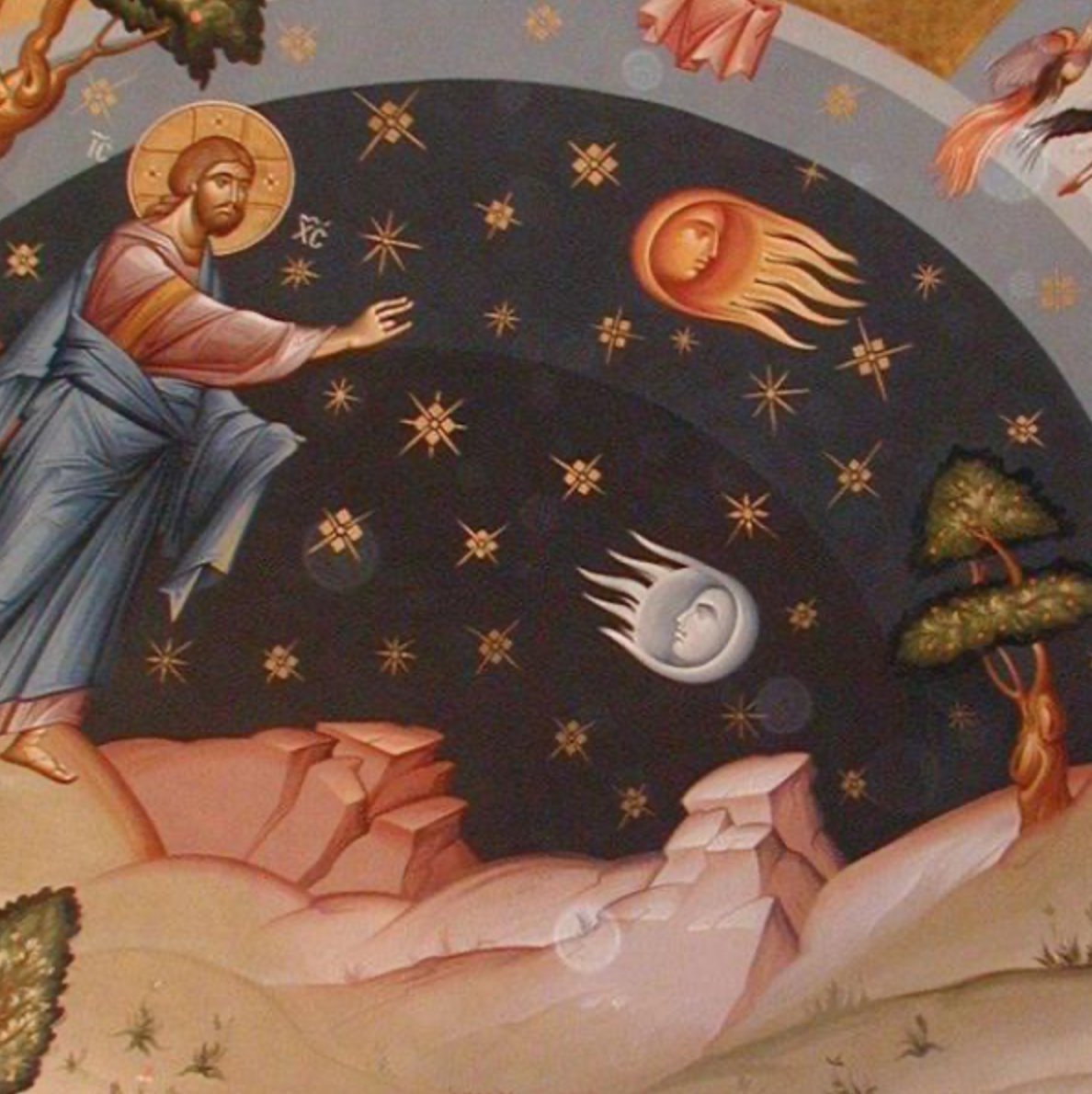
Foundations, the freshman course of Moral Philosophy, focuses in the first semester on the manner in which divine and human nature are revealed and also distorted in the ancient world. The first semester pays specific attention to the interconnected themes of wisdom, virtue, civic life, and mimesis–how we live and express ourselves imitatively and creatively. The second semester expands upon these themes by exploring issues in early philosophy, the nature of the soul, and the role of rhetoric and writing in moral development.
Moral Philosophy II: Antiquity
The second year of Moral Philosophy focuses on Antiquity—primarily Greek and Roman sources. Students examine history, literature, ethics and philosophy in the ancient world, spanning from the creation to St. Augustine and Boethius in the 5th century. Particular emphasis is placed on themes of homecoming, the nature of the polis, the science of ethics, and the foundations of classical physics and metaphysics, Major authors include Homer, Augustine, Plato, and Aristotle.
Moral Philosophy III: Medieval and Renaissance
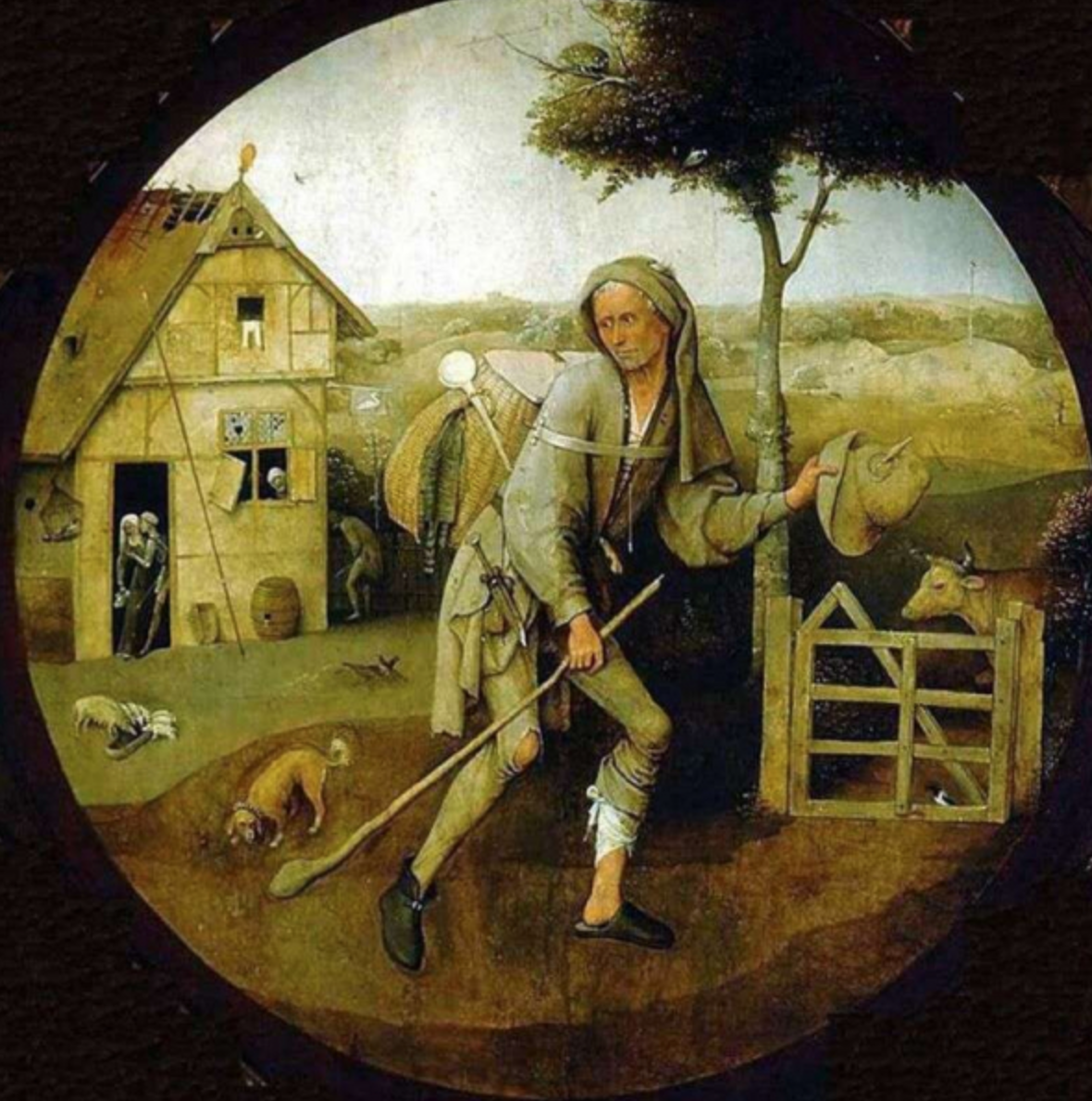
The third year of Moral Philosophy covers the medieval world up through early modernity, focusing on a rich period in which Christian culture, theology, and literature uniquely flourished. Students trace the transition from the pagan world to the establishment and growth of Christendom in the medieval world, touching also upon the Renaissance, the Reformation, and the emergence of Enlightenment thought. They explore medieval literature, social and political texts from the Middle Ages to the early modern period, as well as works of philosophy, theology, and ethics.
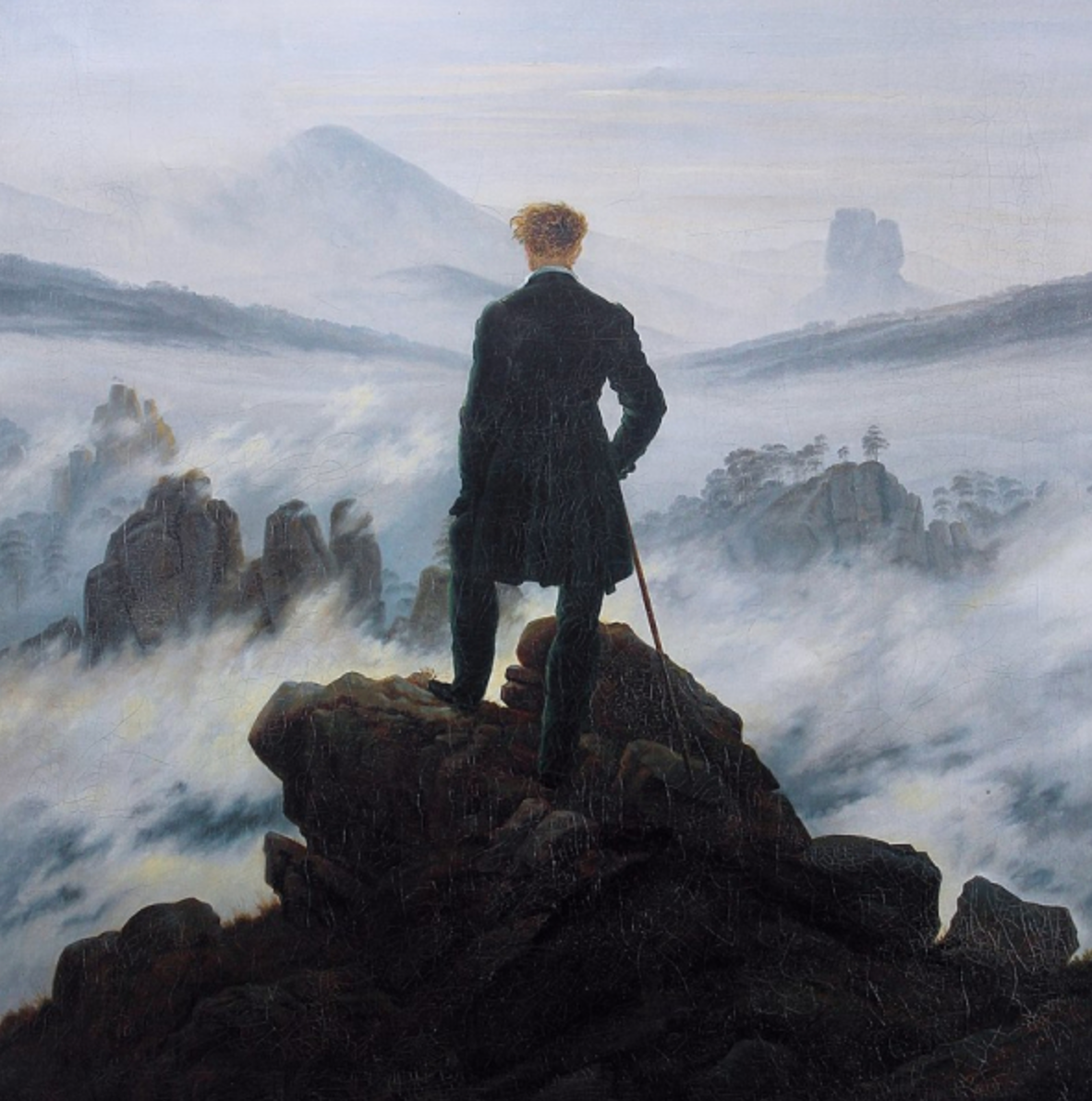
Moral Philosophy IV: Modernity
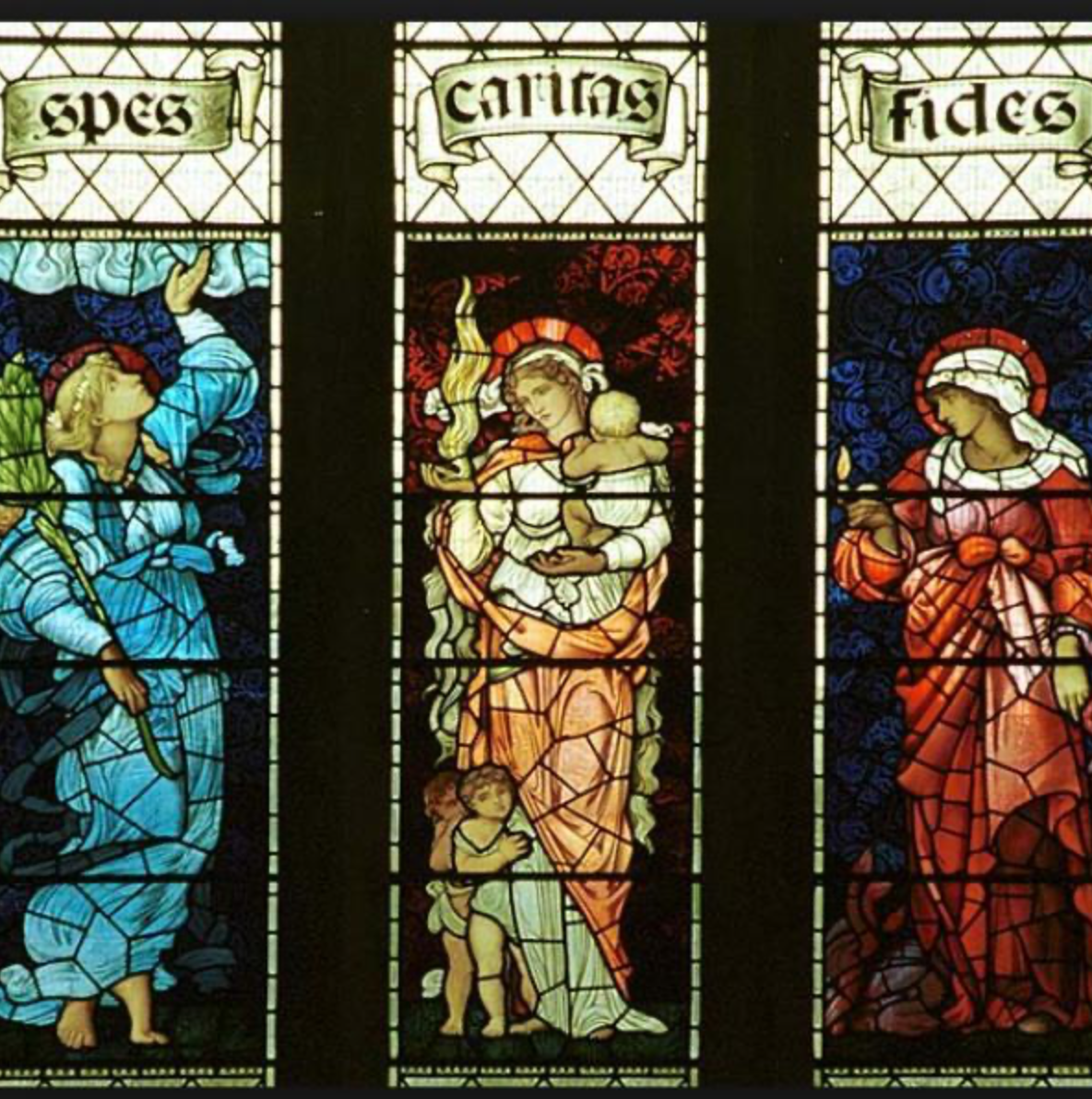
The fourth year of Moral Philosophy explores the modern world through recent philosophic and cultural movements, examining the development of modern thought and social currents through literature and philosophy. Students synthesize much of their learning from previous years in order to analyze, critique, and locate themselves in the problems and complexities of the contemporary world via Scripture, as well as the virtues of faith, hope, and love. Major frameworks including dualism, skepticism, existentialism, postmodernism, and forms of scientism are contextualized by revealed truth, Divine Goodness and providence, and the realities of the human person. The particular virtues of faith, hope, and love are the framework through which students will be directed to read the modern and contemporary landscape.